
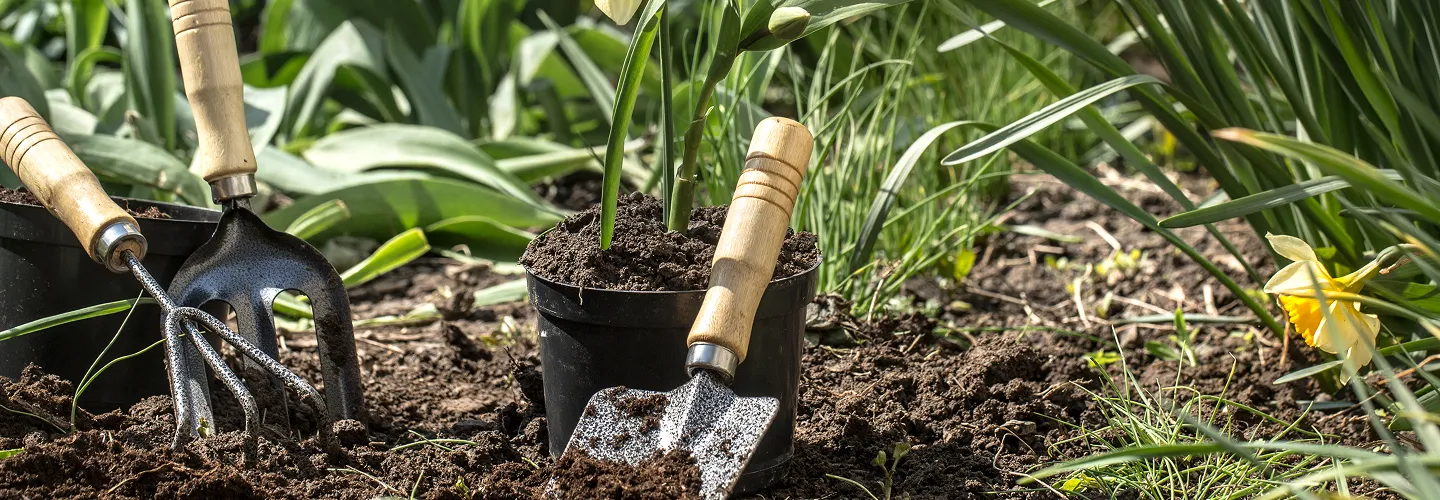
Wallingford Lawn Leveling Services
Choose our expert lawn leveling services for a smoother, healthier yard that enhances curb appeal and makes maintenance a breeze—trust our experienced team for reliable results and lasting beauty.
Get a Free QuoteOur Wallingford Landscaping & Yard Care Services
When to Schedule Lawn Leveling in Wallingford, Connecticut – Seasonal Guide
In Wallingford, Connecticut, the best time to schedule lawn leveling is typically during late spring or early fall. These seasons offer moderate temperatures and consistent rainfall, which are ideal for soil settling and grass recovery. Wallingford’s climate, with its cold winters and humid summers, means that working the soil too early in spring risks frost damage, while late summer projects can be hampered by drought or heat stress. Neighborhoods near Choate Rosemary Hall or along the Quinnipiac River may experience unique microclimates, so it’s important to consider your property’s specific conditions.
Local environmental factors such as the region’s clay-heavy soils, variable shade from mature maples in areas like Yalesville, and municipal watering restrictions can all impact the timing and success of your lawn leveling project. For more information on local regulations and best practices, consult resources like the Sudbury town website.
Local Factors to Consider for Lawn Leveling in Wallingford
- Tree density and shade coverage, especially in established neighborhoods
- Soil type and drainage, with clay soils requiring extra attention
- Average precipitation and risk of drought during summer months
- Frost dates and risk of late spring or early fall cold snaps
- Terrain slope and proximity to water features like the Quinnipiac River
- Municipal restrictions on water usage or landscaping activities
Benefits of Lawn Leveling in Wallingford

Enhanced Curb Appeal
Improved Lawn Health
Professional Grading Expertise
Efficient Water Drainage
Safe and Even Surfaces
Long-Lasting Results
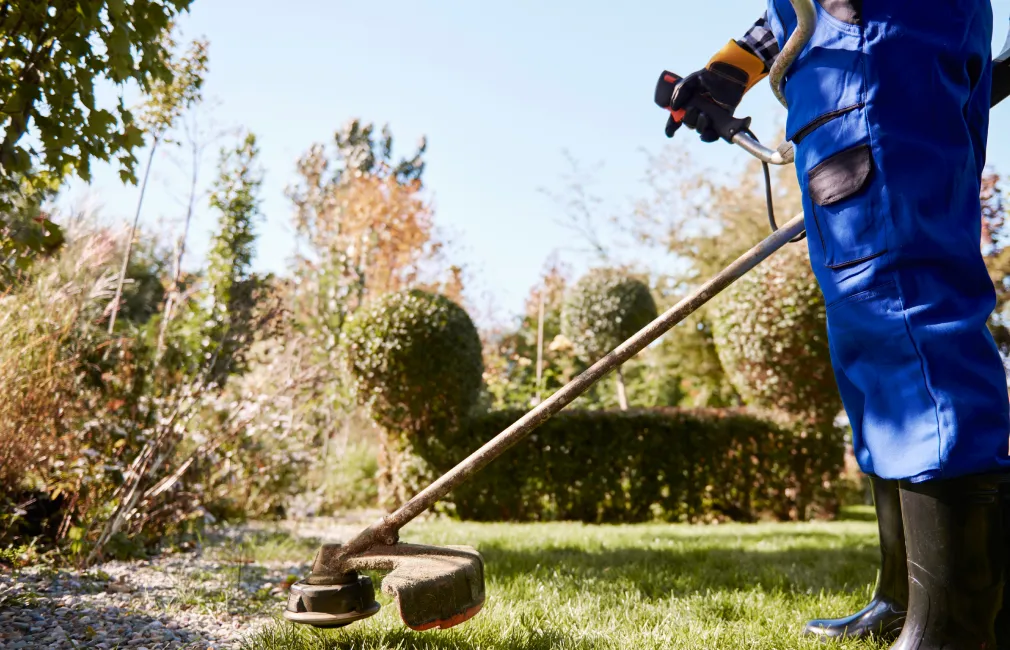
Wallingford Lawn Leveling Types

Topdressing Lawn Leveling
-
Laser Grading
-
Sod Removal and Replacement
-
Soil Regrading
-
Power Raking Leveling
-
Fill and Seed Leveling
-
Drainage Correction Leveling
Our Lawn Leveling Process
Site Evaluation
Soil Preparation
Leveling Application
Compaction
Final Inspection
Why Choose Wallingford Landscape Services

-
Wallingford Homeowners Trust Us
-
Expert Lawn Maintenance
-
Reliable Seasonal Cleanup
-
Competitive Pricing
-
Professional Team
-
Satisfaction Guarantee
-
Personalized Service
Wallingford’s Glacial Till Soils and Lawn Leveling Considerations
Wallingford’s predominant soils, as identified by the USDA Web Soil Survey, are Inceptisols and Ultisols formed from glacial till, often characterized by moderate acidity (pH 5.5-6.5), stony texture, and poor drainage in low-lying areas. These conditions require specialized lawn leveling techniques, such as incorporating 2-3 inches of screened topsoil or compost tilled to a 6-inch depth to improve grade and drainage. Soil compaction is common in developed neighborhoods, necessitating core aeration to a depth of 2-3 inches before leveling. Residents are encouraged to conduct a soil test through UConn Extension (typical cost: $15-25) to determine amendment needs. Avoid leveling during saturated periods to prevent rutting and soil structure damage. For properties near wetlands, maintain a 25-foot no-disturbance buffer as required by local ordinance and the Connecticut Environmental Protection Act.
Wallingford Department of Public Works
45 South Main Street, Wallingford, CT 06492
Phone: (203) 294-2105
Official Website: Wallingford Department of Public Works
Equipment Operation Hours and Noise Ordinance Compliance for Lawn Leveling in Wallingford
Lawn leveling activities in Wallingford are subject to municipal noise ordinances to minimize disturbance in residential areas. Equipment operation is permitted only during the following hours:
- Monday-Friday: 7:00 AM - 7:00 PM
- Saturday: 8:00 AM - 6:00 PM
- Sunday and holidays: Prohibited All commercial-grade leveling equipment must be fitted with functional mufflers, and noise levels should not exceed 85 decibels at the property line. Operators working within 50 feet of public roads must implement traffic safety measures, including high-visibility vests and advance warning signage. Personal protective equipment (PPE) is mandatory: ANSI Z87.1 safety glasses, hearing protection for noise above 85 dB, and steel-toed boots. For projects near public infrastructure, coordinate with the Department of Public Works for right-of-way access and safety protocols.
Wallingford Department of Public Works
45 South Main Street, Wallingford, CT 06492
Phone: (203) 294-2105
Official Website: Wallingford Department of Public Works
Stormwater Management and Environmental Compliance for Lawn Leveling in Wallingford
Proper lawn leveling in Wallingford must comply with both local and state stormwater regulations to protect the Quinnipiac River, Wharton Brook, and adjacent wetlands. The Connecticut Department of Energy and Environmental Protection (CT DEEP) enforces MS4 permit requirements, which prohibit soil, debris, or grass clippings from entering storm drains. Maintain a 25-foot buffer from wetlands and a 50-foot setback from open water bodies. Use biodegradable erosion control blankets on slopes exceeding 5% to prevent sediment runoff. All fill materials must be free of contaminants and sourced from approved suppliers. For properties within conservation areas, coordinate with the Conservation Commission for additional review and compliance steps.
Wallingford Conservation Commission
45 South Main Street, Wallingford, CT 06492
Phone: (203) 294-2095
Official Website: Wallingford Conservation Commission
Connecticut Department of Energy and Environmental Protection
79 Elm Street, Hartford, CT 06106
Phone: (860) 424-3000
Official Website: Connecticut Department of Energy and Environmental Protection
Seasonal Timing and Weather Considerations for Lawn Leveling in Wallingford’s Climate
Wallingford is located in USDA Hardiness Zone 6b, with optimal lawn leveling windows in spring (April 15 - May 30) and early fall (August 20 - September 30), when soil temperatures range from 50°F to 65°F and moisture is adequate but not excessive. Avoid leveling during June-August due to heat stress and potential drought, as well as late fall when soil compaction risk increases. Monitor local weather forecasts through the National Weather Service New York, NY Office to avoid scheduling work during heavy rain events, which can cause erosion and uneven settling. For best results:
- Schedule work after soil dries from spring thaw
- Complete seeding before first frost (typically late October)
- Allow 2-3 weeks for soil to settle before overseeding Consult UConn Extension for region-specific turf establishment guidelines.
What Neighborhoods Do We Serve Throughout Wallingford, CT?
- Yalesville: Features mature residential lots with compacted glacial till soils and moderate slopes, requiring careful grading and drainage management during lawn leveling.
- East Wallingford: Includes newer subdivisions with finer-textured soils and improved drainage, but may have fill soils that need additional organic amendment for optimal turf establishment.
- Quinnipiac River District: Proximity to the river and associated wetlands necessitates strict adherence to buffer requirements and erosion control measures during leveling projects.
- Pond Hill: Characterized by larger lots and variable topography, often with shallow bedrock and stony soils, presenting unique challenges for achieving a uniform lawn surface.
- Center Street Historic Area: Contains older properties with established trees and limited access, requiring hand tools and low-impact equipment to protect roots and historic features.
- North Farms: Rural edge with expansive lawns, higher clay content, and seasonal drainage issues, making soil testing and amendment especially important for successful leveling.
- South Cherry Street Corridor: Urbanized area with smaller lots, frequent utility easements, and potential for compacted subsoils, demanding precise grading and coordination with municipal infrastructure guidelines.